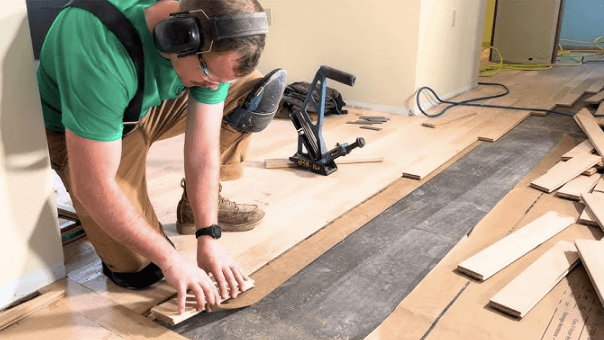

Choosing the right hardwood depends on room use, moisture, and budget. Prepare a precise subfloor free of debris, level, and firm to prevent gaps or squeaks. Acclimate planks to the space, plan expansion gaps, and lay out the pattern to minimize waste. Mark reference lines, verify orientation, and manage transitions across doorways. Finish with durable sealants and inspect coatings. Proper maintenance extends life, but a careful start invites questions that keep the conversation moving forward.
How to Choose the Right Hardwood for Your Space
Choosing the right hardwood involves balancing room use, traffic, and moisture with material properties and cost. In this assessment, the reader examines how Selecting species aligns with functional needs, while Budget considerations guide final choices. The analysis remains precise and practical, detailing durability, finish, and climate compatibility. The tone stays instructional, empowering informed decisions without unnecessary embellishment or guesswork.
Essential Subfloor Prep for a Sturdy Install
Essential subfloor prep sets the foundation for a durable hardwood installation. The process requires a precise surface free of debris, firm and level, with consistent thickness. Inspect for dips, high spots, and squeaks, correcting them before laying boards. Address subfloor moisture and ensure compatibility. Nail down methods should be prepared for secure fastening, minimizing movement and future gaps.
Acclimation, Expansion Gaps, and Layout Planning
Acclimation, expansion gaps, and layout planning are critical to a successful hardwood installation. Proper acclimation timing ensures moisture balance before installation, reducing movement after drying. Determine room-by-room expansion gaps to accommodate seasonal shifts without crowding boards. Plan layout to minimize waste and joints. Mark reference lines, verify plank orientation, and align transitions with doorways for a clean, stabilized result.
Finishing, Transitions, and Long-Term Care Tips
Finishing, transitions, and long-term care tips focus on preserving appearance, ensuring smooth transitions between rooms, and maintaining floor condition over time.
The section presents practical guidance for finishing options, selecting durable sealants, and inspecting coatings for wear.
It outlines transition tricks to minimize gaps and splines, recommends routine cleaning schedules, and stresses proactive maintenance to extend lifespan while preserving freedom of movement and aesthetic consistency.
Frequently Asked Questions
How Long Does a Full Hardwood Installation Typically Take?
The installation timeline varies, but a full hardwood project typically spans several days to a week, depending on room size and conditions. Project sequencing prioritizes subfloor prep, acclimation, laying, and finishing in orderly, disciplined steps.
Can Hardwood Be Installed Over Carpet or Laminate?
Hardwood installation over carpet or laminate is generally discouraged; flooring compatibility is limited. Typically, subfloor conditions must be stable and flat. In practice, professionals recommend removing existing coverings to ensure proper adhesion, leveling, and long-term performance.
What Tools Are Essential for DIY Refinishing?
Yes, essential sanding and careful finish curing are required. A DIY refinisher should use a random-orbit sander, respirator, ear protection, sanding belts, detail pads, tack cloths, auto-grade cleaner, and applicator pads for controlled, meticulous results. Freedom advised.
Do You Need Underlayment for Floating Floors?
Underlayment considerations for floating floors: yes, often needed depending on product and substrate. It smooths joints and reduces noise. Floating floor myths debunked: neglecting underlayment can cause movement, squeaks, and instability. Meticulous evaluation guides freedom in installation.
See also: AI in Threat Detection
How Often Should You Refinish Engineered Hardwood?
Engineered hardwood refinishing frequency varies by wear, but generally every 15–20 years for moderate use, extending with milder traffic. This practice preserves engineered hardwood lifespan while providing practical maintenance; meticulous homeowners monitor surface depth, sheen, and coat integrity.
Conclusion
In this house of boards, the floor is a patient with a patient heartbeat. Each plank is a note in a quiet symphony, matching humidity to temperament and crossing doorways like careful rivers finding their paths. The subfloor is the foundation of trust, the acclimation a respectful rehearsal, expansion gaps the breathing room. When finish coats dry, the corridor becomes a measured map: durable, clean, enduring—an allegory of meticulous care translating into lifelong steadiness and graceful transition between rooms.

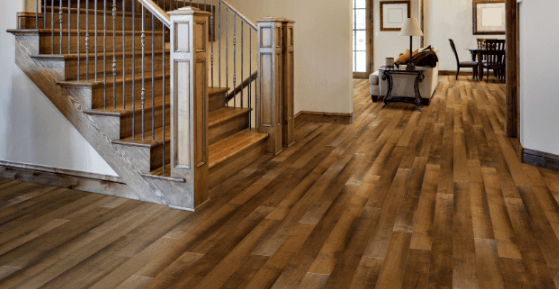
 By
By

 By
By